



Modern teams handle multiple projects, deadlines, meetings, approvals, and workflows every day. Whether a business manages marketing campaigns, software development, remote employees, client projects, or internal operations, staying organised has become more difficult than ever. Without proper systems in place, teams often face communication gaps, delayed tasks, missed deadlines, and productivity issues.
This is why businesses of all sizes now rely heavily on the Best Project Management Tools to improve workflow organisation and team collaboration. Good project management software helps teams stay connected, organise tasks, automate repetitive work, monitor project progress, and improve overall productivity from one central dashboard.
Today’s productivity platforms offer much more than basic task lists. Many tools now include workflow automation, reporting systems, mobile apps, integrations, collaboration tools, file sharing, calendars, AI features, and real-time communication systems. These features help teams complete projects faster while reducing confusion and operational delays.
This complete guide explains the Best Project Management Tools for teams in 2026, including major software platforms, key features, workflow benefits, automation tools, pricing considerations, and practical business examples. You’ll also find checklists, comparisons, and detailed explanations written in a simple and SEO-friendly style.
Why Teams Need Project Management Software
As businesses grow, workflows become more complicated. Team members may work remotely, manage multiple projects, or collaborate across different departments and time zones. Without organised systems, projects can quickly become difficult to manage.
Project management software helps teams:
- Organise tasks
- Track deadlines
- Improve communication
- Centralise workflows
- Increase accountability
- Reduce project delays
For example, a digital marketing agency handling SEO campaigns, blog content, social media scheduling, and client reporting can use one platform to organise all workflows instead of relying on spreadsheets and scattered communication.
Many businesses invest in the Best Project Management Tools because productivity improvements often lead to faster project completion and better customer satisfaction.
Important Features to Look For
Choosing the right project management platform requires comparing workflow needs carefully. Different businesses need different levels of complexity and automation.
Here are some important features teams should evaluate before choosing software:
- Task management
- Workflow automation
- Time tracking
- Reporting dashboards
- File sharing
- Team collaboration
- Calendar management
- Mobile accessibility
- Integration support
- Workflow customisation
A small startup may only need simple task tracking, while larger agencies may require advanced reporting, automation, and multi-team collaboration systems.
Best Project Management Tools in 2026
Several productivity platforms continue dominating the project management industry because of their strong collaboration and workflow management capabilities.
| Platform | Best For | Main Advantage |
|---|---|---|
| ClickUp | Workflow flexibility | Advanced automation |
| Monday.com | Team collaboration | Visual dashboards |
| Asana | Organised workflows | Simplicity |
| Trello | Small teams | Easy task boards |
| Notion | Documentation and planning | Flexible workspace |
| Wrike | Enterprise teams | Advanced reporting |
Each platform supports different business goals, team structures, and workflow requirements.
ClickUp for Workflow Flexibility
ClickUp has become one of the most popular productivity platforms because it offers highly customisable workflows and strong automation features.
Teams can organise projects using:
- List views
- Board views
- Calendar layouts
- Gantt charts
- Timeline tracking
The platform works especially well for:
- Agencies
- Startups
- Marketing teams
- Remote businesses
- Development teams
ClickUp also includes:
- Time tracking
- Reporting dashboards
- Goal tracking
- Team collaboration tools
- Workflow automation
For example, a content marketing agency can manage blog writing, SEO optimisation, client approvals, publishing schedules, and social media campaigns from one dashboard.
Many businesses consider ClickUp one of the Best Project Management Tools because it adapts well to different industries and workflows.
Monday.com for Team Collaboration
Monday.com has become one of the most popular project management and collaboration platforms for businesses that want organised workflows, visual dashboards, and easier team communication. Modern companies often struggle with scattered tasks, unclear deadlines, missed updates, and disconnected communication systems. Monday.com helps solve these issues by centralising projects, workflows, and collaboration tools inside one organised platform.
One of the biggest reasons teams choose Monday.com is its clean and beginner-friendly interface. Unlike many complicated productivity platforms, Monday.com focuses heavily on visual project tracking that helps employees quickly understand tasks, responsibilities, deadlines, and workflow stages. Even teams with limited technical knowledge can build and manage workflows without coding or advanced setup.
The platform allows businesses to organise projects using:
- Visual boards
- Timeline views
- Calendar layouts
- Task tracking dashboards
- Workflow automations
- Shared collaboration spaces
This flexibility makes Monday.com useful for many different industries and business models.
Marketing teams frequently use Monday.com to manage content calendars, campaign approvals, SEO workflows, social media scheduling, video production, and reporting systems. Instead of managing projects through scattered spreadsheets and emails, teams can centralise communication and project visibility from one dashboard.
HR departments also benefit heavily from Monday.com because recruitment workflows often involve multiple stages and approvals. Teams can manage job applications, interview scheduling, employee onboarding, training tasks, internal approvals, and employee progress tracking more efficiently through automated workflows.
Operations teams use Monday.com to monitor internal processes, manage deadlines, track recurring tasks, and improve workflow organisation. The platform reduces confusion by making responsibilities and project progress highly visible to everyone involved.
One major advantage of Monday.com is its workflow automation system. Businesses can automate repetitive tasks that normally consume valuable time each day. For example:
- Deadline reminders can trigger automatically
- Team notifications can update instantly
- Tasks can move between workflow stages automatically
- Approvals can notify managers immediately
- Status changes can trigger new assignments
These automations improve productivity while reducing manual administrative work.
Remote and hybrid teams also benefit significantly from Monday.com because the platform centralises communication and project visibility. Employees working from different locations can access project updates, task boards, files, timelines, and team discussions without relying heavily on meetings or email chains.
For example, a remote marketing agency managing multiple international clients can organise campaign timelines, content approvals, ad designs, analytics reports, and publishing schedules from one central workspace. This improves communication while reducing workflow delays.
Another reason many businesses prefer Monday.com is its integration support. The platform connects with tools like:
- Slack
- Zoom
- Google Drive
- Microsoft Teams
- Dropbox
- HubSpot
These integrations help businesses create smoother workflows while reducing app switching.
Monday.com also provides strong reporting and visibility features. Managers can quickly monitor project progress, identify bottlenecks, review workloads, and track deadlines through visual dashboards. This helps businesses improve accountability and project management efficiency.
For growing teams that need organised collaboration, visual workflows, automation tools, and beginner-friendly project management systems, Monday.com continues to remain one of the strongest productivity platforms available today.
Asana for Organised Project Tracking
Asana remains one of the most widely used project management platforms because of its clean interface and organised workflow structure.
Businesses often choose Asana because it keeps project tracking simple while still supporting collaboration and productivity management.
Important Asana features include:
- Task organisation
- Project timelines
- Team collaboration
- Workflow templates
- Deadline management
- Mobile productivity
Asana works especially well for businesses wanting organised workflows without highly complicated dashboards.
For example, a creative design agency can organise projects by campaign type, assign deadlines, and track approvals while keeping communication centralised.
Many smaller businesses prefer Asana because employees can learn the platform quickly without lengthy training sessions.
Trello for Simplicity
Trello focuses heavily on simplicity through Kanban-style project boards. Many freelancers, startups, and small teams use Trello because it is easy to manage and visually organised.
Teams can:
- Create task cards
- Drag tasks between workflow stages
- Assign deadlines
- Add comments
- Upload files
- Organise projects visually
Trello works best for:
- Freelancers
- Small businesses
- Simple project workflows
- Content planning
- Personal productivity
For example, a freelance writer can organise blog topics, research tasks, editing workflows, and publishing schedules using visual task boards.
Although Trello is simpler than platforms like ClickUp, many teams appreciate its ease of use and fast setup process.
Notion for Productivity and Documentation
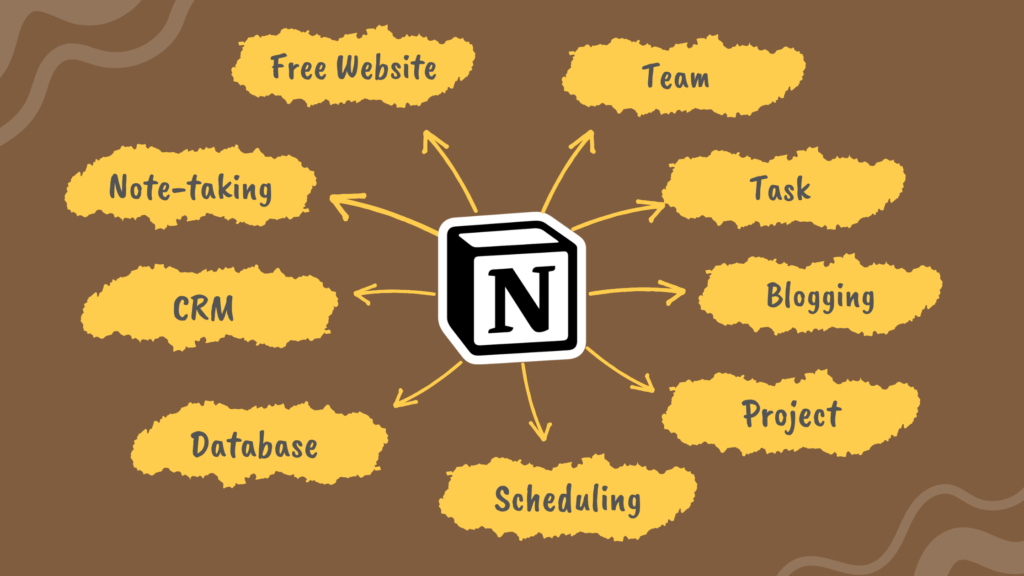
Notion combines project management, documentation, note-taking, and workspace organisation inside one platform.
This flexibility makes it highly popular among:
- Startups
- Content creators
- Remote teams
- Product managers
- Small businesses
Businesses use Notion to:
- Create internal knowledge bases
- Manage workflows
- Organise meeting notes
- Track projects
- Build company documentation
For example, a startup can manage onboarding documents, content calendars, project planning, and operational workflows inside one workspace.
Notion is especially valuable for teams wanting a central location for both productivity and documentation management.
Wrike for Enterprise Teams
Wrike targets larger organisations that require advanced project management and reporting capabilities.
The platform focuses heavily on:
- Enterprise collaboration
- Resource management
- Reporting systems
- Workflow automation
- Performance visibility
Wrike works especially well for:
- Large marketing teams
- Corporate operations
- Enterprise workflows
- Large-scale project management
Many enterprise businesses choose Wrike because it supports advanced reporting and complex operational structures.
For example, a global company managing multiple departments and campaigns can use Wrike to centralise project visibility and team accountability.
Workflow Automation Benefits
Workflow automation has become one of the most valuable features in modern project management software.
Automation helps businesses:
- Save time
- Reduce repetitive tasks
- Improve workflow consistency
- Increase productivity
- Reduce communication delays
Common automation examples include:
- Automatic task assignments
- Deadline reminders
- Workflow approvals
- Team notifications
- Status updates
- Recurring tasks
For example, when a designer completes a project, the platform can automatically notify editors or clients for review without manual follow-up.
Automation becomes increasingly important as businesses scale operations and manage larger workloads.
Best Tools for Remote Teams
Remote work continues growing globally, making cloud-based collaboration systems more important than ever.
Remote teams need software that supports:
- Real-time collaboration
- Mobile access
- Shared dashboards
- File sharing
- Communication tracking
- Video integrations
Platforms especially useful for remote teams include:
- ClickUp
- Monday.com
- Asana
- Notion
These tools help remote employees stay aligned while reducing communication confusion.
For example, a fully remote software company can organise development tasks, sprint planning, bug tracking, and team meetings inside one platform.
Best Project Management Tools for Marketing Teams
Marketing departments often manage multiple campaigns simultaneously, making organisation extremely important.
Marketing teams need software capable of handling:
- Content calendars
- Campaign approvals
- SEO workflows
- Design collaboration
- Social media scheduling
- Reporting dashboards
ClickUp and Monday.com remain especially popular among marketing agencies because of their automation and collaboration capabilities.
For example, a marketing team launching a product campaign can manage ad copy, video production, social scheduling, and analytics reporting from one dashboard.
This improves communication while reducing missed deadlines and workflow bottlenecks.
Best Tools for Startups
Startups often operate with small teams and limited budgets, making productivity software extremely valuable.
Startups usually need:
- Affordable pricing
- Easy setup
- Workflow flexibility
- Collaboration systems
- Scalability
Popular startup-friendly platforms include:
- Trello
- ClickUp
- Notion
- Asana
For example, a startup launching a SaaS product can organise development tasks, investor updates, marketing campaigns, and customer support workflows using one project management platform.
Using organised productivity systems early helps startups scale operations more efficiently.
Real Example of Productivity Improvements
Project management software becomes valuable when it creates measurable business improvements.
Example scenario:
A digital marketing agency previously relied on spreadsheets and email communication for project management.
Problems included:
- Missed deadlines
- Poor communication
- Confusing approvals
- Scattered reporting
- Delayed campaign launches
After switching to a centralised workflow platform, the agency improved:
- Team communication
- Project visibility
- Deadline management
- Workflow consistency
- Client reporting speed
As a result:
- Projects finished faster
- Clients received updates more efficiently
- Employees became more productive
- Workflow confusion decreased significantly
This explains why many businesses invest heavily in the Best Project Management Tools.
Integrations and App Connectivity
Modern businesses use many software tools daily for communication, storage, CRM management, and marketing.
Project management platforms often integrate with:
- Slack
- Google Drive
- Zoom
- Dropbox
- HubSpot
- Microsoft Teams
- GitHub
Integrations improve workflow efficiency by reducing manual data entry and app switching.
For example, a sales team can automatically sync CRM updates with project workflows without manually copying information between systems.
Pricing Considerations
Pricing structures vary significantly across project management platforms.
Businesses should compare:
- Team size limits
- Automation features
- Storage capacity
- Reporting systems
- Integration access
- Scalability options
Annual subscriptions usually provide better pricing than monthly billing.
Before choosing software, businesses should estimate future team growth and workflow complexity to avoid expensive migration problems later.
Common Mistakes Teams Make
Many businesses purchase project management software without properly planning workflows first.
Common mistakes include:
- Overcomplicated workflows
- Poor team onboarding
- Using too many disconnected tools
- Ignoring automation
- Weak task organisation
- Inconsistent communication systems
One smart productivity strategy is starting with simple workflows first and gradually expanding automation and reporting features over time.
This improves employee adoption and reduces confusion during software transitions.
Checklist Before Choosing Project Management Software
Choosing the right productivity platform helps businesses avoid workflow problems and unnecessary expenses later.
Important checklist items include:
- Compare workflow flexibility
- Review automation features
- Test mobile usability
- Compare integrations
- Estimate future growth needs
- Compare pricing plans
- Test collaboration tools
- Review reporting systems
Following this checklist helps businesses choose software that supports long-term operational efficiency.
FAQs:
What are project management tools used for?
Project management tools help businesses organise workflows, improve communication, track deadlines, and manage team productivity more efficiently.
Which project management tool is best for beginners?
Trello and Asana are often considered beginner-friendly because of their simple setup and organised interfaces.
Which platform is best for advanced workflows?
ClickUp is widely preferred for advanced workflow customisation and automation capabilities.
Are project management tools useful for remote teams?
Yes, these platforms improve communication, task visibility, collaboration, and productivity for remote employees significantly.
Is project management software worth paying for?
For most businesses, the productivity and workflow improvements usually justify software subscription costs.
Can startups benefit from project management software?
Yes, startups often improve organisation and scalability significantly by implementing workflow systems early.
Must Read:
- Best Software Deals and Discounts This Month
- How Emergent Helps Build AI Apps Faster?
- Best Semrush Coupon Codes and Discounts Online
Final Thoughts:
The Best Project Management Tools help businesses improve collaboration, productivity, workflow organisation, and communication in increasingly fast-paced work environments. Modern teams need systems capable of handling deadlines, automation, reporting, remote collaboration, and project tracking efficiently.
Platforms like ClickUp, Monday.com, Asana, Trello, Notion, and Wrike each provide different strengths depending on business size, workflow complexity, and collaboration needs. Businesses should focus on choosing software that matches their operational goals instead of selecting platforms only based on popularity.
Project management software now plays a major role in startup growth, remote work management, marketing coordination, client communication, and team productivity. Choosing the right platform can significantly improve workflow visibility while reducing operational confusion and project delays.
For businesses focused on scalability, organisation, and productivity, modern project management tools continue offering strong long-term value in 2026.